- +34 611189478
- Thu - Mon: 1pm-4pm & 7pm-10:30pm | Tue: 1pm-4.30pm
- Location

Tomillo Cocina — Madrid
Lebanese cooking, the way it's always been made.
Fresh, unhurried, and meant to be shared — recipes carried down through family kitchens, cooked the same way today as they were generations ago.
Our cooking follows one rule: let good ingredients speak for themselves. Sun-ripened vegetables, fresh herbs, real olive oil — the same balance that has defined Lebanese tables for thousands of years, plated for how you actually eat today.
Every order goes out in compostable packaging made from renewable material, sealed to travel and built to go straight from fridge to oven. We cook to order, not to stock a shelf — better for your table, and for the one planet we're all sharing it with.
20+
Years of Experience
60+
Authentic Dishes
150+
Fresh Ingredients


Since antiquity, this stretch of coast between the Mediterranean Sea and the Indian Ocean has changed hands again and again — empires rising and falling, borders redrawn by conquest and by trade. What never broke was the thread of culture running through it: recipes merging, tables shared, a cuisine built up in layers over four thousand years. Sit with us a while, and we'll walk you through it.
2500 BC – 333 BC
The Ancient Levant
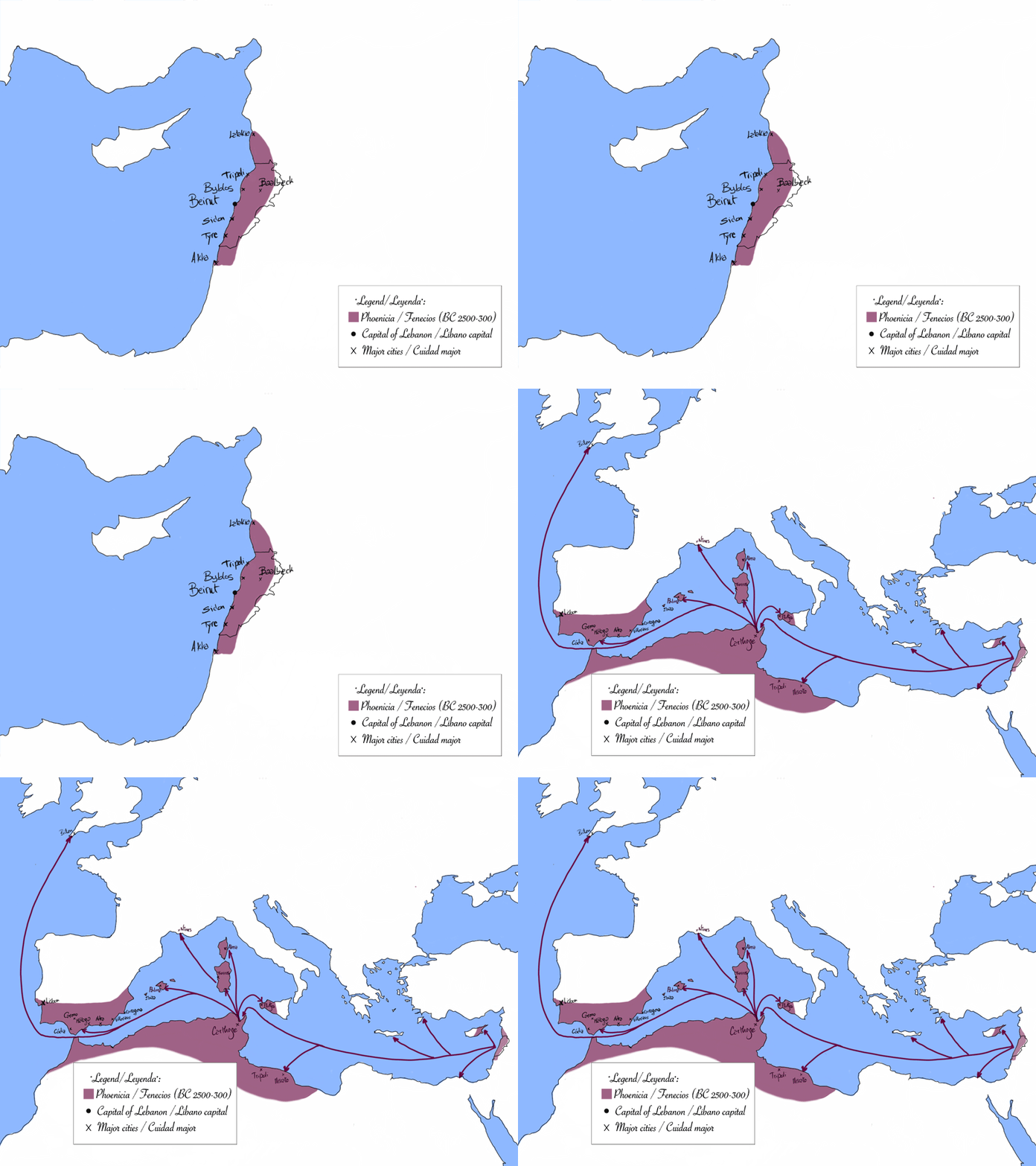
Our story starts with the Phoenicians — a thalassocratic civilization of north-west Semitic Canaanite origin, born from a horticultural, pastoral culture that rarely sat still. For over a millennium they dominated Mediterranean maritime trade, carrying not just goods but ideas between cities from the Bronze Age onward. They founded colonies and trading posts the length of the sea, from their Levantine homeland all the way to Spain — Abdera (Adra), Baria (Villaricos), Carmona (Carmo), Gadir (Cádiz), Málaga, and Sexi (Almuñécar) among them.
Their peaceful coexistence, trading skill, and command of the sea let their knowledge grow, enriched by every culture they touched. And because food is culture, habit, craving, and identity, the Phoenicians folded the tastes of the whole Mediterranean into the Levantine diet — olive oil, cheese, fish, goat meat, thyme, grapes, a wide range of herbs and spices, wine, and much more.
332 BC – 1515 AD
Classical to Medieval Lebanon
After Alexander the Great's conquests and the fall of Tyre in 332 BC, the Levant took on the Hellenistic character of the Seleucid Kingdom (332–64 BC). Rome absorbed the region under Pompey, folding it into an empire that spanned the Mediterranean (64 BC–395 AD); when Rome fell, the Byzantines took its place (396–676 AD).
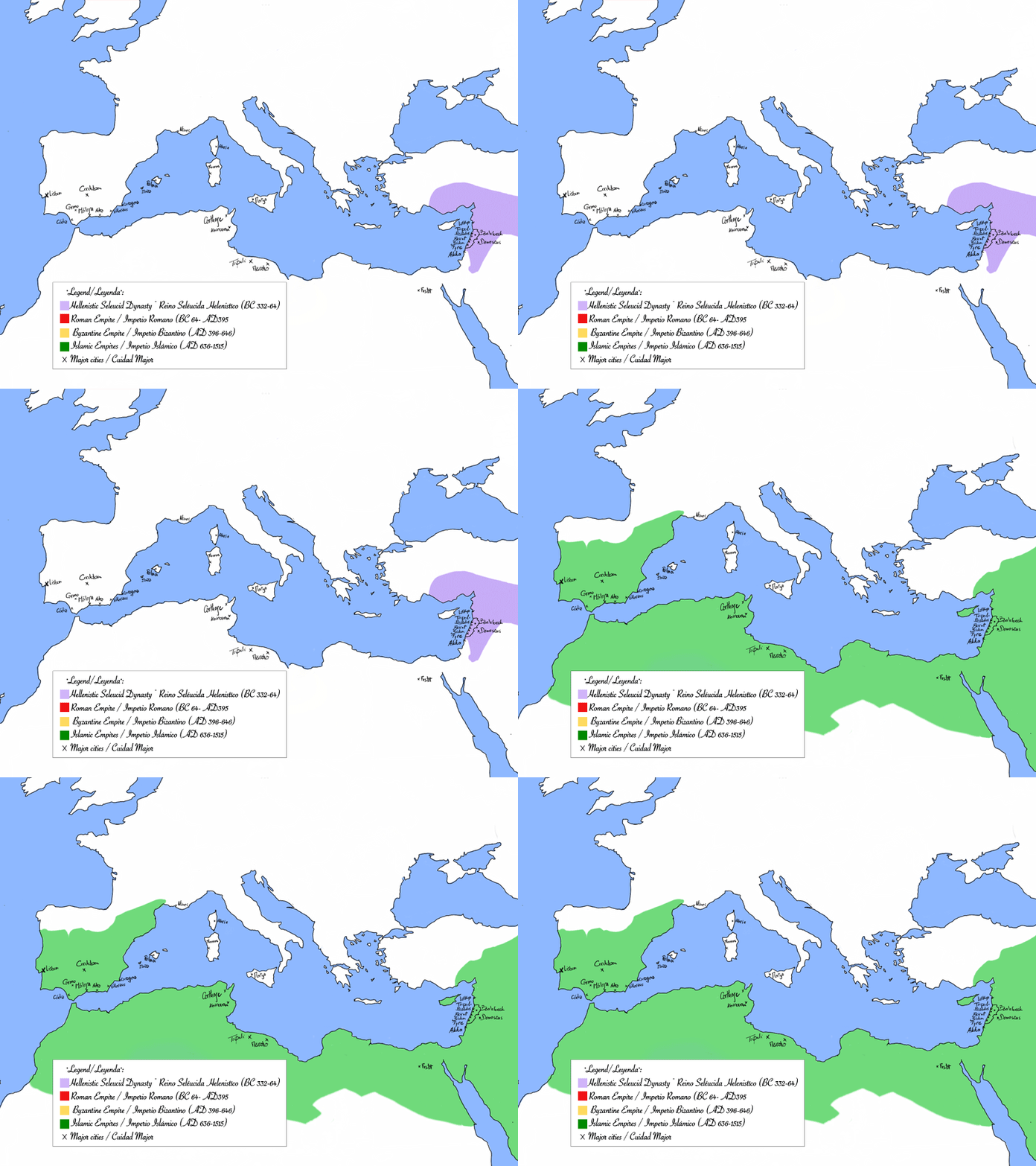
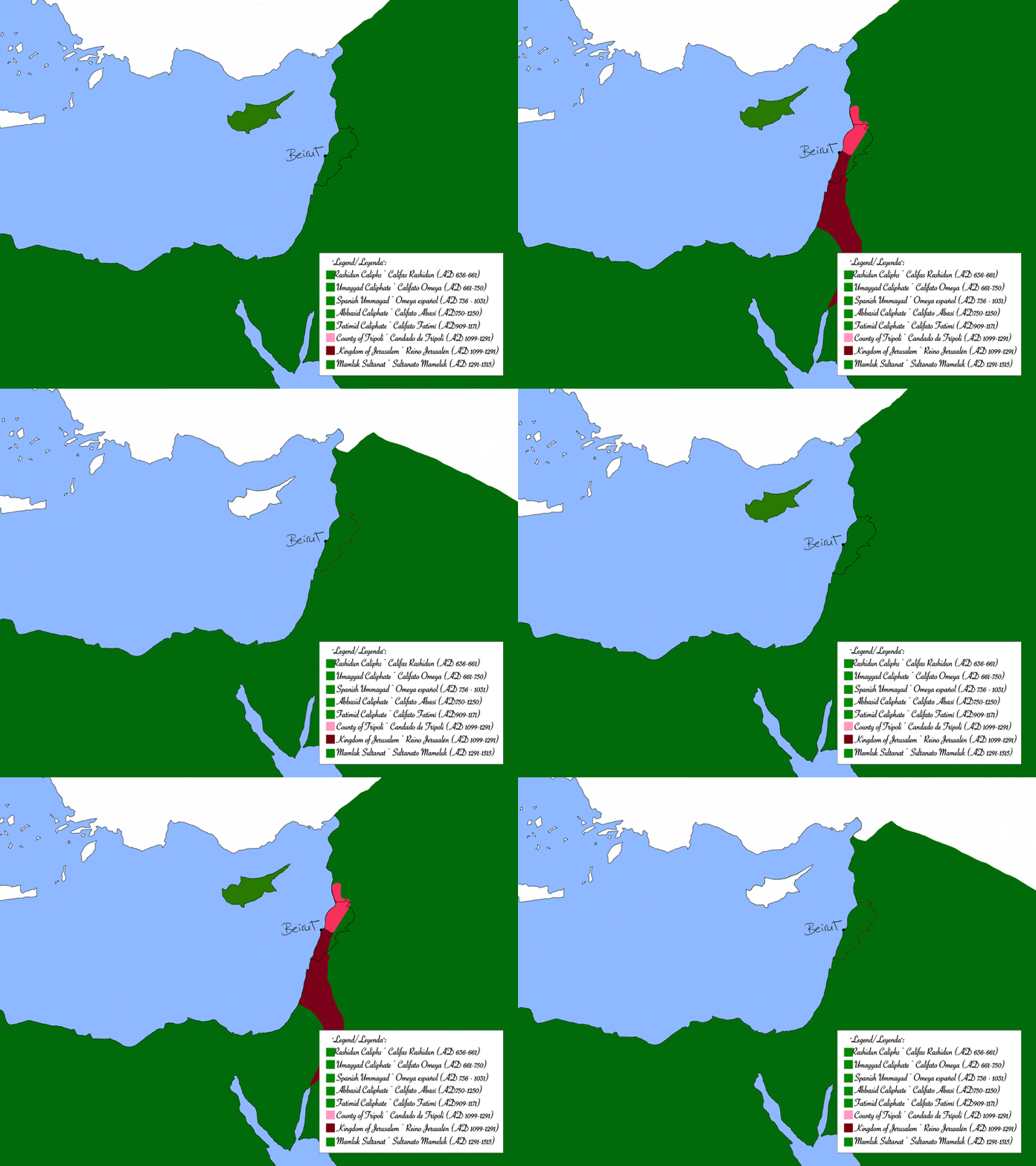
For the next thousand years, the Levant sat within a succession of Islamic empires (636–1515 AD) stretching from beyond the Persian Sea to Spain — ruled by caliphs and sultans, mostly Arab, save for a brief window when the Crusades brought Frankish rule to the Syrian coast.
Through it all, cultures coexisted and traded habits more than they replaced one another. A shared Arabic language carried a shared cultural current, even as each era folded in local produce and local taste.
Medieval Muslims saw food as more than pleasure — a means of physical regeneration, of preventing and curing illness. Arab hospitality called for generous, shared meals with real warmth at the table, and this is where the mezze was born: a close cousin of tapas, an array of small dishes for socializing, each region garnishing its own platter from its own traditions and its own season. Food became a way of showing who you were, and who you loved.
As Islamo-Arabic society prospered, its wealthiest classes demanded the best cooking could offer. The era's cooks understood that what elevated a dish wasn't costly ingredients so much as scrupulous care — clean food, clean tools, the right heat applied at the right moment to draw out flavor and texture. That ambition drove real invention: slow ovens, steam cookers, tannour ovens, water-bath heating, and more.
1517 – 1946
Ottoman Lebanon & the French Mandate
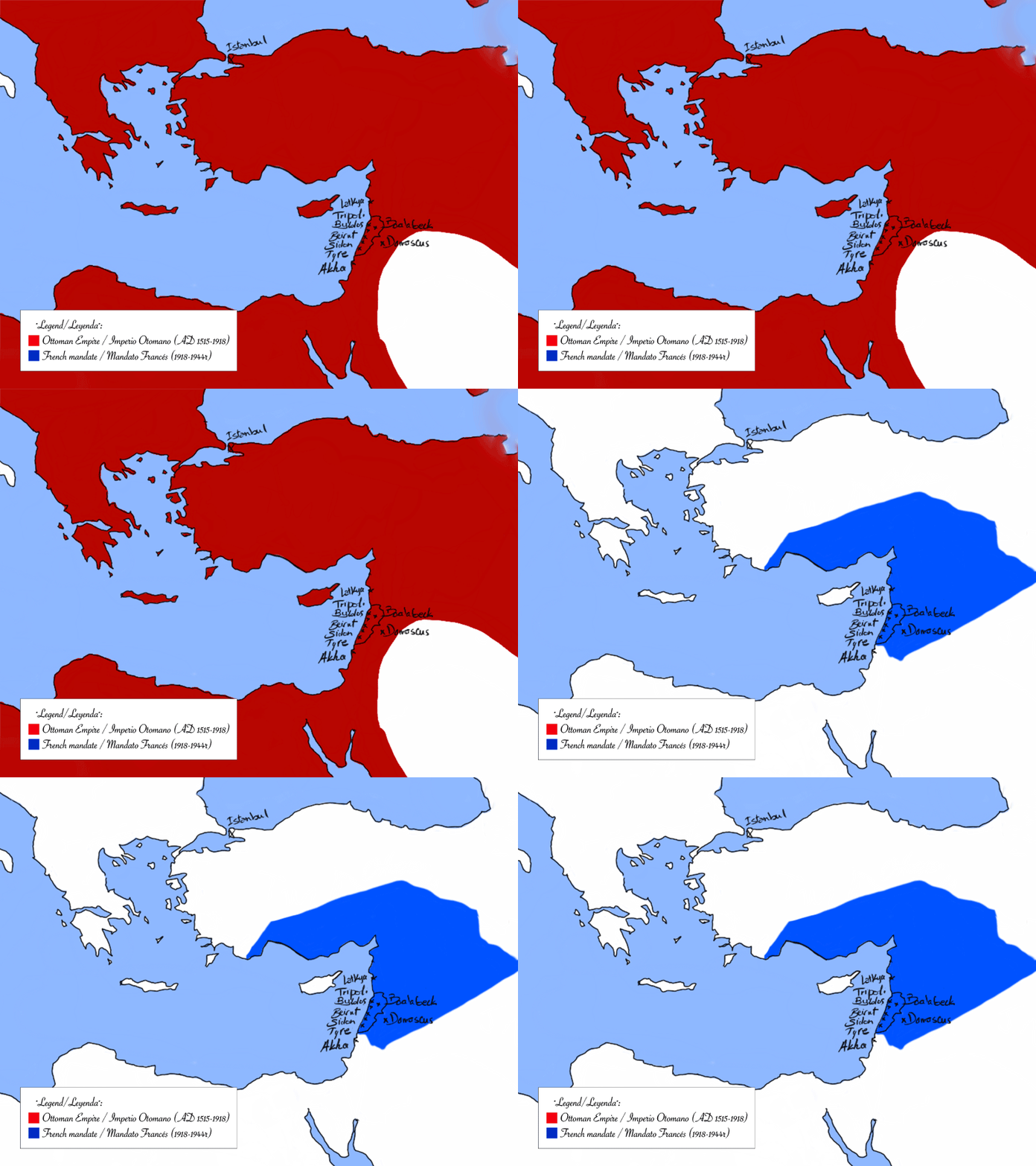
After the Islamo-Arabic era, the Ottoman Empire took the reins. Four hundred years of Ottoman rule compiled, abridged, and built on the region's culinary identity — putting lamb at the center of the plate and refining the art of vegetable and meat stuffing.
When the Ottomans fell in WWI, the French stepped in and helped shape modern Lebanon — a snapshot of the region's many identities. Their time there was brief, but it helped carry Lebanese cuisine onto the international stage.
What makes Lebanese cooking distinct is its simplicity and freshness — the product of the sun, the sea, and the land — carrying the sophistication of French technique alongside the exotic aromas of the Middle East.
— The Tomillo Team